



What’s New at the 2026 FIFA World Cup?
The 2026 FIFA World Cup will be radically different from all previous editions, and in this article, we highlight the most important changes.
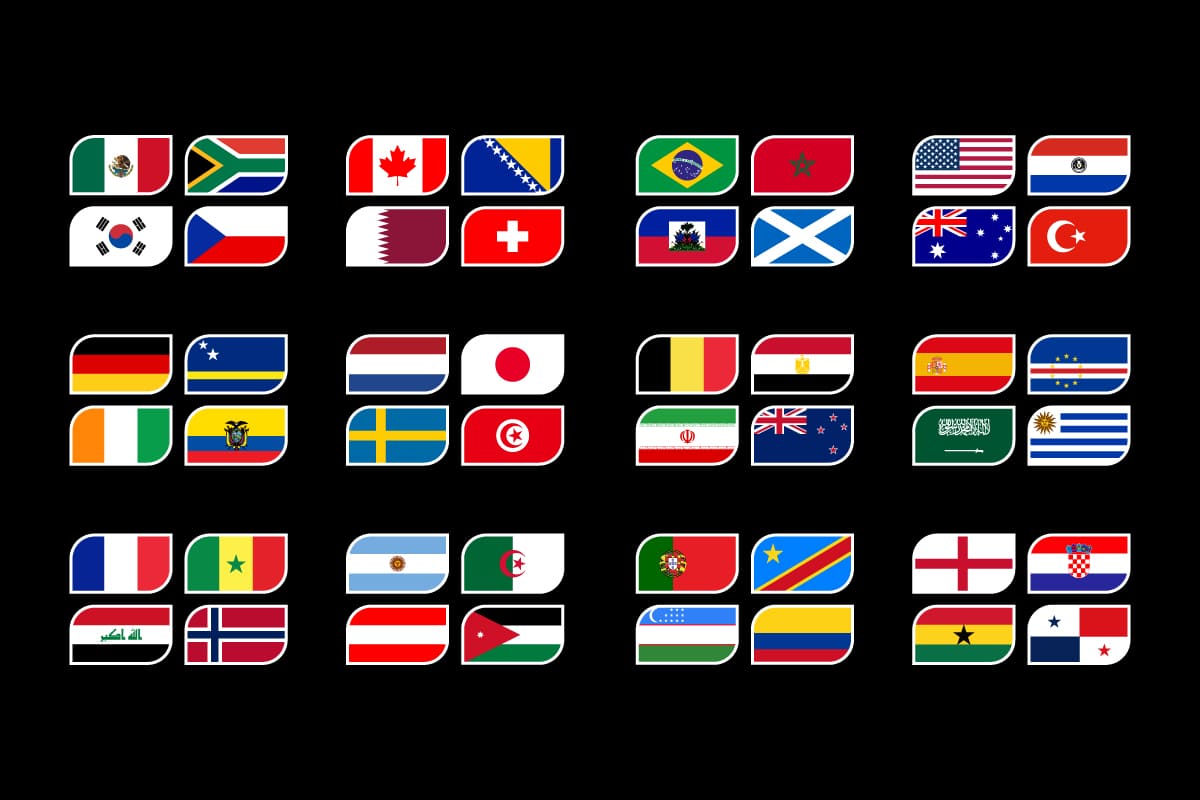
While from 1998 to 2022, the FIFA World Cup always featured 32 nations, this year’s tournament in the USA, Canada and Mexico will include as many as 48 national teams. As a result, the structure of the World Cup has also changed.
Change #1: A New Format
Although the FIFA World Cup 2026 groups (https://blog.olybet.ee/sports/world-cup-2026-match-calendar-and-groups)(https://blog.olybet.lv/sports/world-cup-2026-match-calendar-and-groups) will still consist of four teams each, there will now be 12 groups instead of the previous eight — A to H — with the groups now running from A to L. And while previously the top two teams from each group advanced, now fortune will also smile on eight third-placed teams.
As a result, the play-off stage has also changed, although not too drastically. The system remains simple: the loser is eliminated, the winner advances. However, since 32 teams will now qualify for the play-offs instead of the previous 16, an extra round has been added. This means that the 2026 World Cup will feature a Round of 32 for the first time.
Group stage ➔ Round of 32 ➔ Round of 16 ➔ Quarter-final ➔ Semi-final ➔ Final
Because of the additional match being added, there was lengthy consideration over whether national teams should be allowed to register 30 players for the World Cup. In the end, however, FIFA decided to remain faithful to the system used at the previous World Cup in Qatar. This means countries can register between 23 and 26 players for the World Cup, including at least three goalkeepers, and make up to five substitutions during three substitution windows in each match.
Change #2: Time-Limited Substitutions
Since we have already made our way onto the pitch, that is exactly where FIFA has made the most changes for this World Cup. In cooperation with IFAB — the International Football Association Board, which is responsible for the laws of the game — possible bottlenecks were reviewed in order to speed up football matches.
As a result, this World Cup will introduce a so-called 10-second rule for substitutions, meaning that the player being substituted must leave the pitch within 10 seconds. If they take longer, the incoming player must wait on the sidelines for one minute, effectively leaving the team making the substitution temporarily short-handed on the pitch.
Change #3: Delaying Throw-ins and Goal Kicks
Another new rule introduces large player-facing screens that will display a five-second countdown during throw-ins and goal kicks. If the player fails to put the ball back into play within that time, possession will be awarded to the opposing team. In the case of a throw-in, play will continue with a throw-in for the opposition; in the case of a goal kick, it will continue with a corner kick for the opposing team.
Change #4: Injuries and Treatment
Player injuries have also come under the spotlight — or should we say “injuries”?
If someone needs, requests or wants medical treatment during the World Cup, and it is not a yellow or red card situation, they must leave the pitch and can only return after one minute has passed. In this way, FIFA hopes to combat time-wasting.
In addition, FIFA has decided to regulate the behaviour of outfield players in situations where the goalkeeper is receiving medical treatment. Specifically, players from either team are not allowed to leave the pitch or discuss matters with their coaches during that time.
Change #5: Communication With the Referee and Other Players
FIFA has also introduced an interesting change regarding the referee. Namely, it has been written down in black and white for the World Cup that only the team captain may communicate with the referee during the match, while all other players risk receiving a yellow card if they speak up.
Change #6: VAR
Naturally, the VAR rules have also been adjusted for the FIFA World Cup 2026 Video referees may now intervene in cases involving second yellow cards and corner kick decisions, reviewing them and correcting them if necessary.
Change #7: The Mysterious Half-Time Show
One major change connected to the World Cup is still in the air. Although official information has not yet been released in great detail, it seems more than certain that this year’s World Cup final will feature a grand, American-style half-time show.
The Americans tested a similar solution at last year’s Club World Cup, when the break stretched to 24 minutes. Back then, the stage was built in the stands of MetLife Stadium. This time, however, Coldplay frontman Chris Martin and Global Citizen, who are curating the show, are reportedly planning to take over the entire football pitch…
Time will tell. The truth will be revealed on Sunday, 11 July, when the 23rd world champion in football history will also be crowned.
How to Bet Responsibly During the World Cup
- Do not bet based on emotion
- Avoid trying to recover losses with new bets
- Manage your budget consciously
- Look at each match separately and base your decisions on analysis
- Enjoy the tournament — football is what matters most
- Use our sports betting app to keep your bets fully under control.
The FIFA World Cup 2026 is the perfect opportunity to experience sports betting in its full scope — more matches, more markets, more excitement and more moments to talk about.
A good strategy, thorough analysis and a responsible approach can turn every match into an experience to enjoy.
In addition, keep an eye on your sports betting operator OlyBet, where we will bring you special offers for the 2026 FIFA World Cup that you will not want to miss.